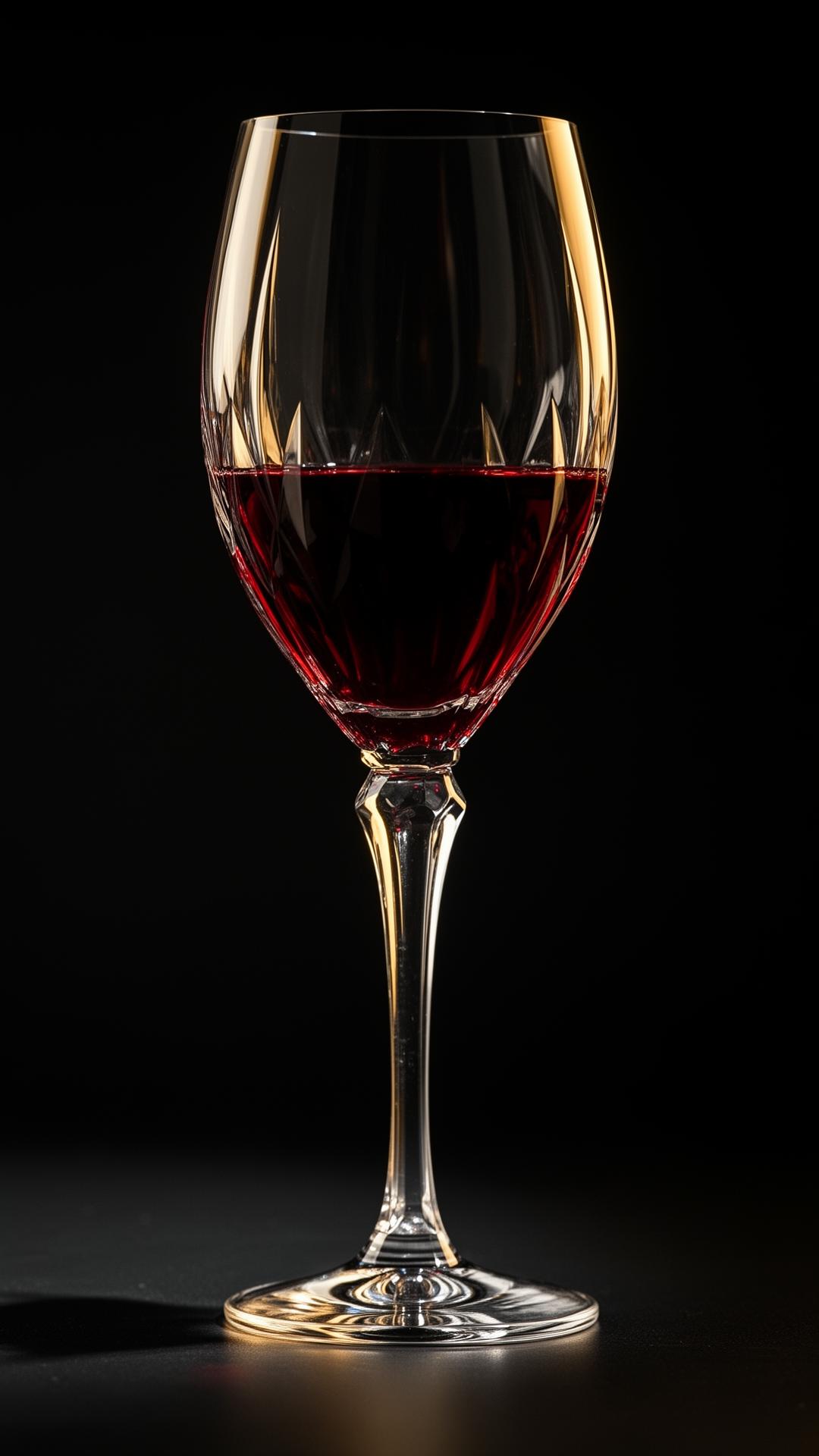
Varietal Intelligence · White
Chardonnay
Lemon curd, white flower, hazelnut. The most translatable white in the world.
Origin
Burgundy, France · medieval
Lemon curd, white flower, hazelnut. The most translatable white in the world.
Chardonnay is wine's neutral canvas — almost transparent in itself, it picks up everything around it: limestone gives it cut and chalk, oak gives it hazelnut and toast, lees give it cream and brioche. From the steely austerity of Chablis to the toasted opulence of Meursault to the salinity of Western Australia's Margaret River, it is wine's most travelled aristocrat.
Flavor Profile
The grape, measured.
Six axes describe how the wine sits on the palate. Hover for sommelier notation.
Region Atlas
Where it thrives.
Hover any pin to read the regional dialect. Climate zones are read in tone.
Continental · France
Chablis
Oyster-shell minerality.
Sommelier Insights
At the table, in the glass.
Lobster with butter · Roast chicken & herbs · Aged Comté · Truffle pasta
10–13 °C · larger glass than you think
Top white Burgundy benefits from 30 minutes of air.
Chablis: 3–8 years. Premier Cru white Burgundy: 8–20.
Premox risk has eased post-2014; vintages 2017–2020 are safe holds.
Smell, then taste. Steel = lemon and chalk; oak = hazelnut and butter.
Sommelier-Level Note
"The percentage of new oak, the malolactic decision, and the lees regime define the house style. Read producers' choices."
— The Wine Passport · House Tasting Note
Related Discoveries
Bottles, journeys, kindred grapes.
Recommended bottles
Suggested journeys
- Chardonnay, oak to stone5 pours · Global
- White Burgundy revisited6 pours · Burgundy
Kindred grapes
Your Palate
The grape, against your record.
Tasting trend
Your palate's affinity for Chardonnay, year on year.